Climate Tech Sees Record-High Deals as Power Demand Fuels Market Appetite
Record-high climate-tech deal flow, if Bloomberg’s headline is the signal, is landing in a market that has suddenly remembered electricity is not a slide-deck assumption.
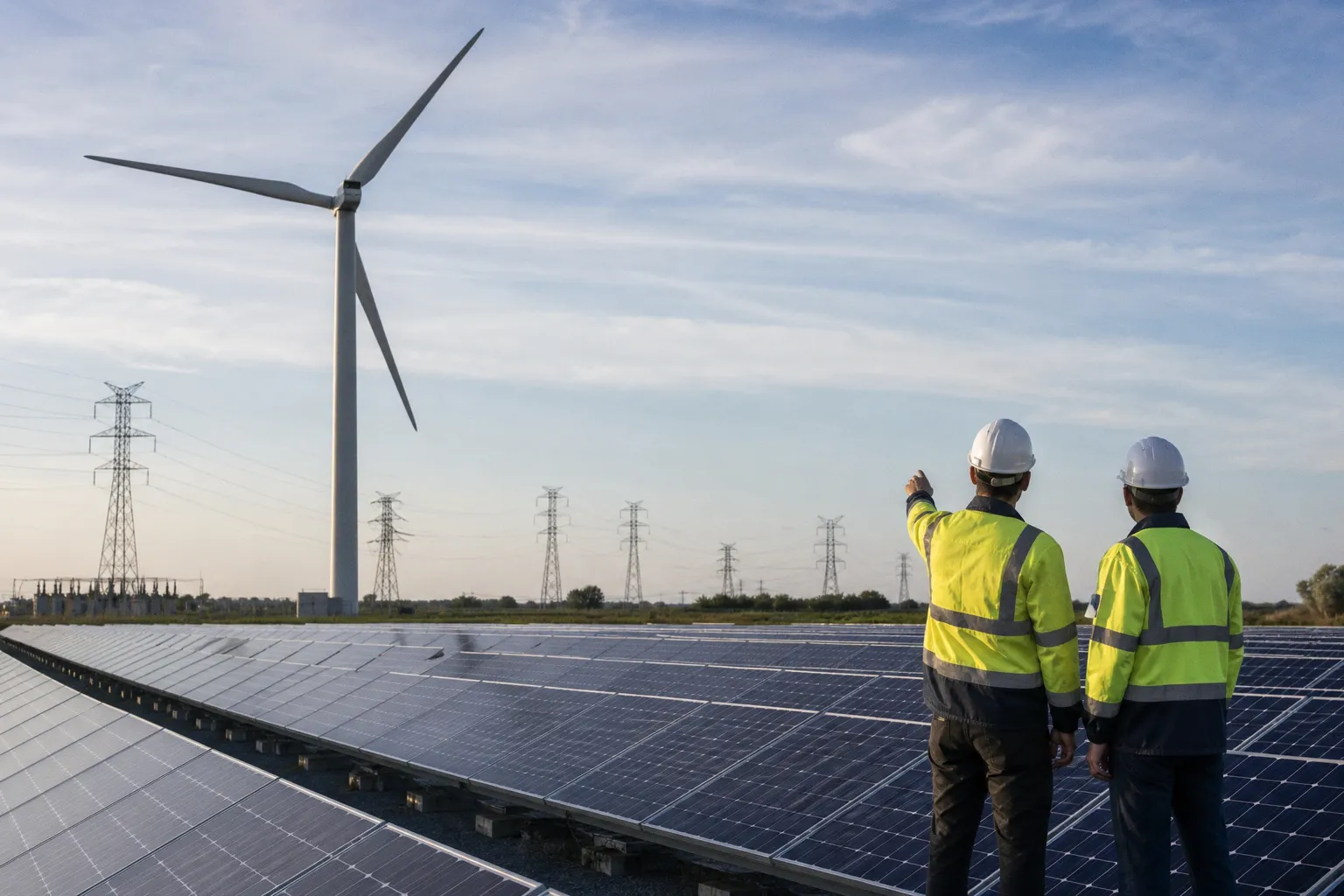
Power demand is the new pitch filter
Bloomberg reports that climate tech is seeing record-high deals as power demand fuels market appetite. The key word is not “climate.” It is “power.”
That changes the underwriting conversation. Less hand-waving about decarbonization curves; more scrutiny on whether a company touches an actual demand pool. Grid load, industrial electrification, data-center growth, storage, generation, efficiency — these are the kinds of categories LPs will now expect GPs to connect to revenue, not slogans.
The cynical read: climate tech has had plenty of capital cycles before. Some were built on policy momentum. Some on cheap money. Some on corporate net-zero theater. This one, at least from the headline signal, is being pulled by demand for power. That is cleaner. Not risk-free. Just cleaner.
For allocators, the diligence question is simple:
- Is the company selling into urgent energy demand, or merely narrating around it?
- Does the model need project finance, venture equity, strategic capital, or all three?
- Where does the burn rate sit before commercial scale?
- Who carries the construction, permitting, supply-chain, and offtake risk?
That is where climate-tech “record deals” either become a durable asset class story — or just another crowded cap table with infrastructure-sized needs and venture-sized patience.
IPO optimism is back, but it is not the same trade
The broader exit backdrop is also flashing risk-on. Crypto Briefing says the U.S. IPO market is on track for a record-breaking 2026, citing SpaceX’s $75 billion debut as the largest in history. The same report says momentum could continue with anticipated public offerings from OpenAI and Anthropic, and that traditional IPOs raised $114.2 billion across 65 deals in the first half of 2026.
Treat that source with care. It is not the same evidentiary weight as a full primary filing trail. But the market signal is still useful: public-market appetite appears to be part of the private-capital mood music again.
For climate tech, that matters because late-stage investors need exits to make the math work. If IPO windows reopen, crossover capital can justify marking growth assets with less embarrassment. If they close, private rounds become more punitive, continuation vehicles get awkward, and the gap between “strategic importance” and “liquid return” gets very wide.
The trap is assuming AI-style public-market demand automatically transfers to climate tech. It does not. AI companies can sell software-like growth stories. Climate-tech companies often bring hardware, energy markets, regulatory exposure, and capex drag. Same risk-on tape, different unit economics.
What LPs should actually watch
The headline number — record-high deals — is useful, but not enough. Deal count can rise while quality deteriorates. We have seen that movie. The sequel usually includes down rounds and quietly rewritten DPI expectations.
What matters now is composition:
- Are deals clustering around power demand with identifiable buyers?
- Are investors funding asset-heavy execution risk with VC structures?
- Are strategics participating because they need capacity, or because they need press releases?
- Are funds extending duration assumptions to hide weak exit visibility?
- Are later rounds pricing in public-market liquidity that may not exist when needed?
The practical takeaway: climate tech tied to power demand deserves attention, but the underwriting bar should go up, not down. A hot market does not reduce risk; it usually reprices it badly.
For LPs, this is not a cue to chase every climate allocation with “energy transition” in the deck. It is a cue to ask harder questions about capital intensity, customer urgency, exit path, and who gets diluted before the project finally works. Record-high deal activity is a signal. It is not a return profile.