Peptide Therapeutics Market Competitive Landscape, Industry Leaders, and Technology Trends
Novo Nordisk owns a quarter of the peptide therapeutics market. The top 10 players own half. That is not a "competitive landscape" — that is an oligopoly dressed up in a consulting deck.
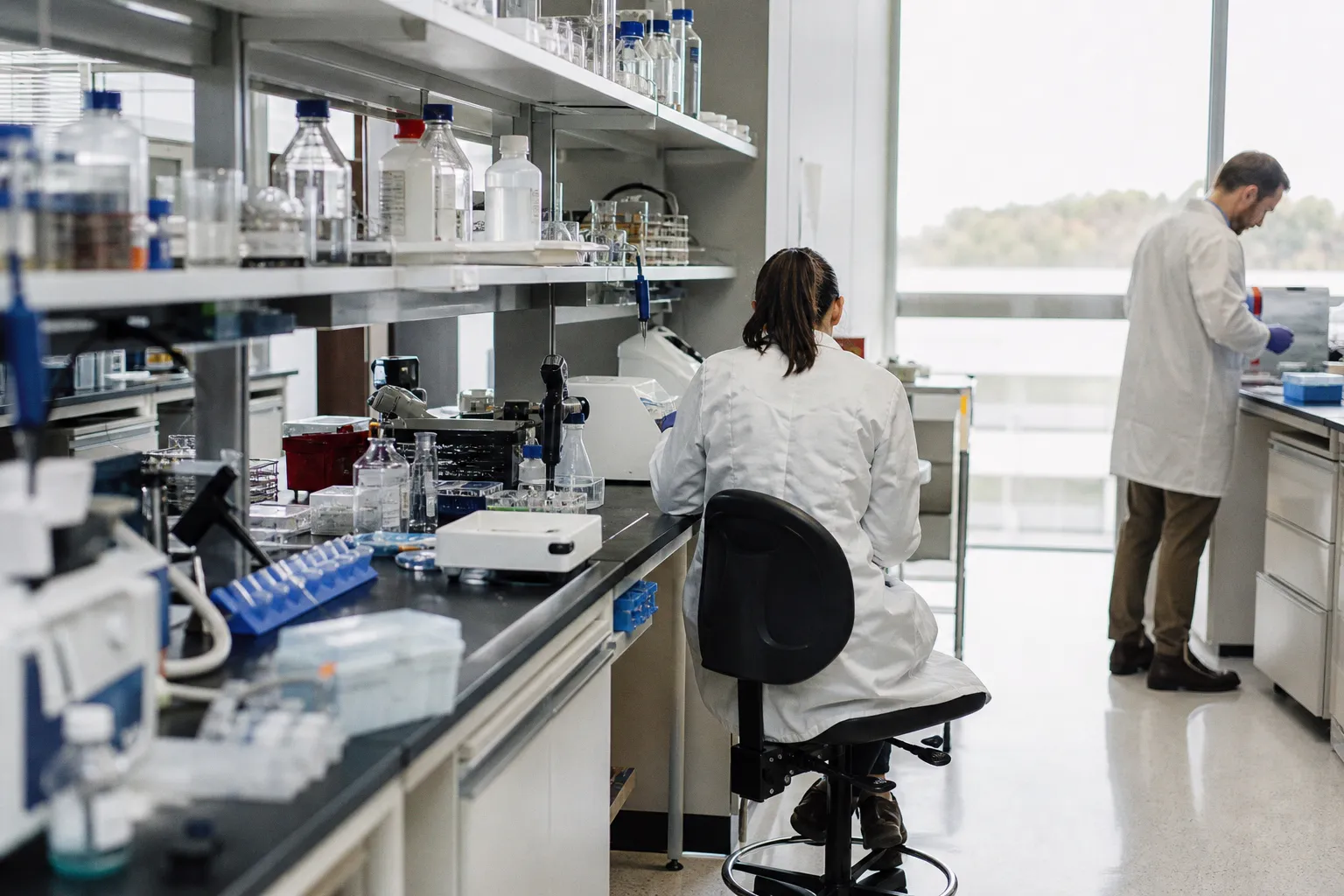
The Business Research Company's Peptide Therapeutics Global Market Report 2026 puts Novo Nordisk A/S at 27% of global revenue in 2024, powered by GLP-1 agonists and insulin analogs. Eli Lilly, Sanofi, Amgen, Novartis, Ipsen, AstraZeneca, Ferring, Pfizer, and Takeda round out the top tier, collectively holding 50% of the market. The remaining 90% of named players — from AbbVie and Bristol-Myers Squibb down to clinical-stage names like PepGen, Peptimmune, and SELLAS — split the rest.
The concentration math
- Top 10 players = 50% of total revenue
- Novo Nordisk alone = 27% (GLP-1s, insulin analogs, metabolic)
- Barriers: peptide synthesis complexity, regulatory overhead, manufacturing scale, and the capex that buries a Series B
The report flags the moat correctly. What it buries under "innovation" is the simple fact that most pipeline value is half-life extension on existing scaffolds. Long-acting formulations and targeted delivery are where the defensible IP sits, and the incumbents are not standing still. Novo Nordisk's metabolic franchise gives it a cash flow base that funds the next generation of peptide chemistry internally — no VC term sheet required.
Where the cap table gets interesting
For LPs tracking growth equity and private credit, the read-through is blunt: the next wave of peptide deals will be platform tuck-ins and formulation extensions, not de novo discovery. The cheap money phase is over; the rollup phase is here.
Two things to watch over the next 12 months:
- Mid-cap biotechs with peptide manufacturing capacity becoming M&A targets for the top 10
- Royalty monetisation deals as GLP-1 cash flows get securitised the way Humira royalties were a decade ago
The first is a buyout setup. The second is structured credit. Both feed on the same oligopoly economics — and the same capital rotation out of speculative tokens into AI infrastructure with real cash flows is now playing out across risk assets.
What this actually means for LPs
The peptide therapeutics market is no longer a venture story. It is a buyout story waiting for the right entry multiple. Novo Nordisk trades on public exchanges; the real alpha sits in the manufacturing bottleneck and the royalty streams attached to it. Anyone pitching a "peptide platform" at unicorn valuations in 2026 should bring a comparator set and a defensible formulation thesis — not a pitch deck full of GLP-1 comps and a TAM chart.