Innovation
The federal government is dusting off its "innovation" playbook, and private LPs should pay attention — not because the feds are about to print venture returns, but because they're shaping the upstream deal flow.
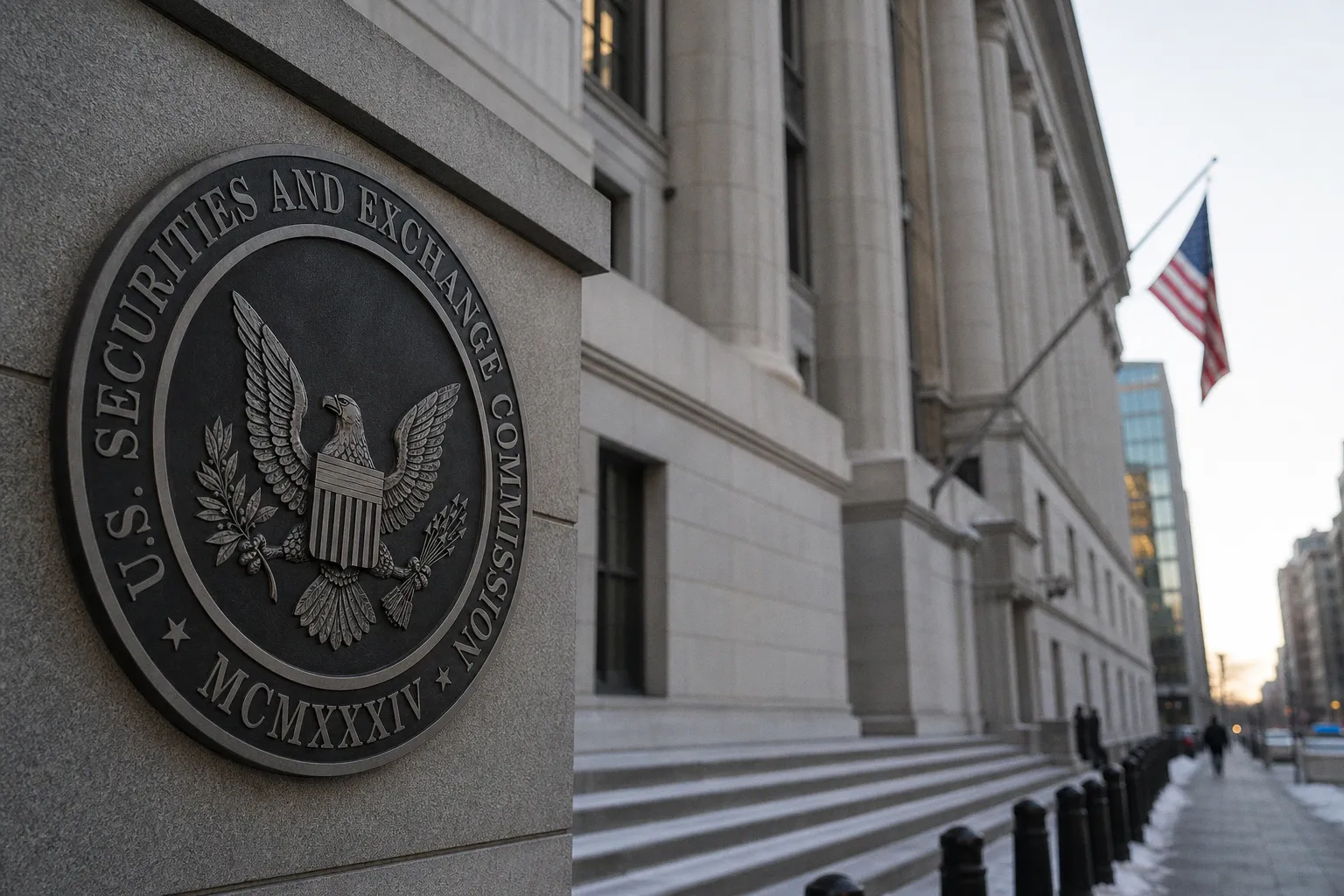
The DOE apparatus: same engine, new branding
The Energy Department's pitch is that it "catalyzes the transformative growth of basic applied scientific research" and the "discovery and development of new clean energy technologies." Translation: the government funds the science, the private sector funds the company. Cyclotron Road remains the explicit test bed for the next generation of clean energy founders. ARPA-E writes checks into early-stage tech that's too speculative for venture syndicates. The Loan Guarantee Program is the deployment lever — the one that matters when a lab spin-out finally needs to build a factory.
The unit economics question is straightforward. When a national lab spins out a technology, the path to commercial scale almost always runs through a startup. That startup needs a Series A. Your fund could be writing that check — but only if you have relationships with the program managers, the lab tech transfer offices, and the PIs who moonlight as founders. Most LPs never see this pipeline. The managers who do tend to have government relationships, not just financial ones. That's an edge, but it's a concentrated one.
Pennsylvania: state money meets the venture studio
In Erie, the Shapiro administration just opened Mercyhurst University's Studio 26 — a venture studio targeting cybersecurity, AI, and emerging technologies. DCED Deputy Secretary Jen Gilburg framed it as workforce pipeline work for the state's innovation economy. Governor Shapiro's proposed 2026-27 budget asks for increased funding across life sciences, robotics and technology, energy, manufacturing, and agriculture. The Commonwealth leans on its lineage here — first public-private tech partnerships in 1983, first Agricultural Innovation Grant Program in 2023.
The cynical read: this is how state economic development dollars get recycled. Universities supply the talent, the state supplies the seed capital, and private VCs sift through the output for anything with traction. Venture studios rarely produce venture-scale returns on their own. What they do produce is a stream of seed-stage companies with subsidized burn rates — a feature if you get in early, a bug if you arrive at Series B and discover the unit economics never closed.
What this actually means for LPs
Two things to track. First, the DOE and state-level programs are not competing with private capital — they're upstream feeders. Your job is to identify which fund managers have the sourcing relationships to catch these deals before the markup arrives. Second, public money is sticky but not patient. When a state legislature flips or a federal administration pivots, the program evaporates and the portfolio companies scramble. Build that contingency into diligence, because the policy timeline and the fund timeline are not the same thing.
For broader macro context on why clean energy is back in the conversation, Bailey's read on energy prices holding steady is worth tracking — stable energy economics change which clean energy bets pencil out.