Gymshark founder in talks to buy back part of stake sold to private equity firm
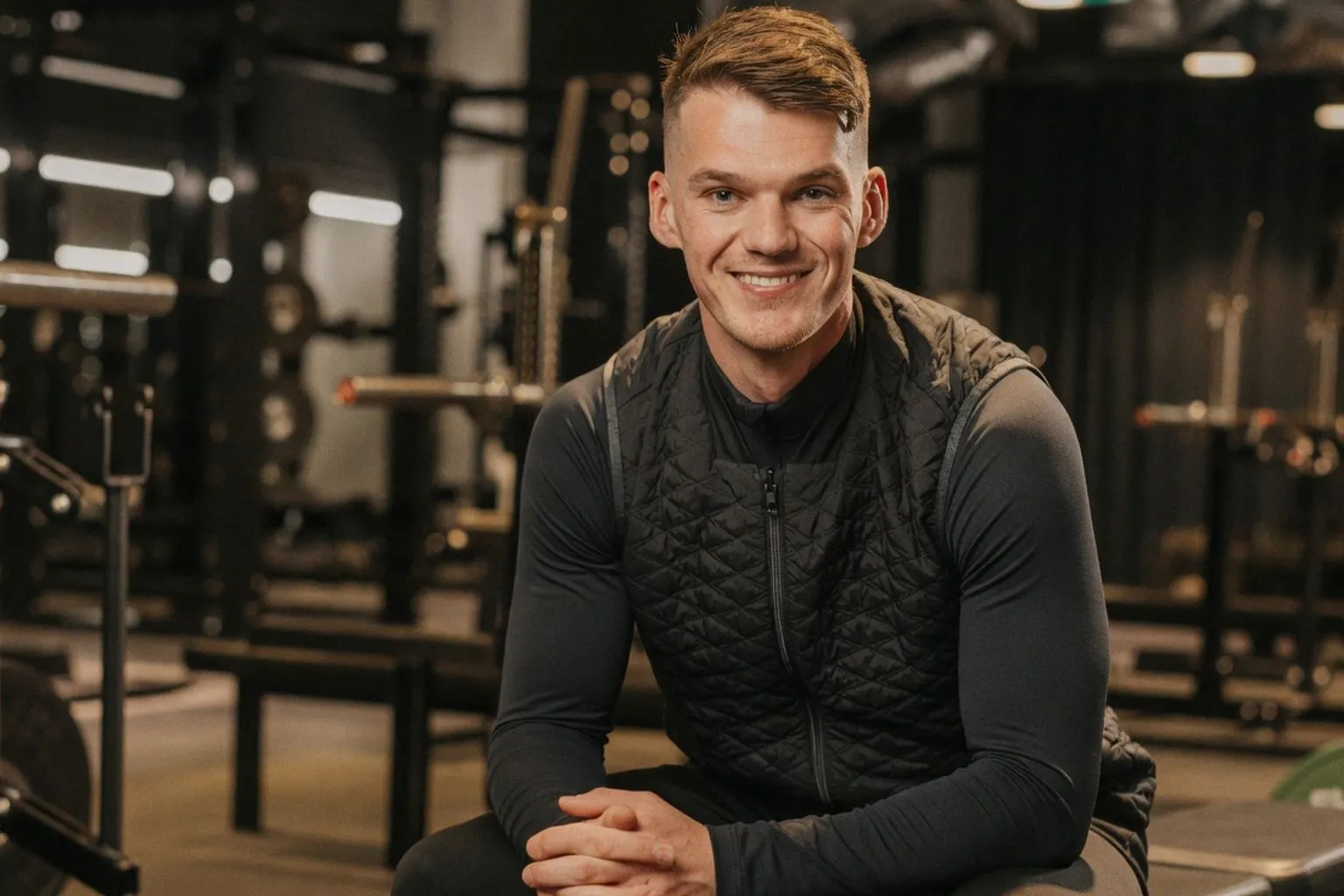
Gymshark founder Ben Francis is trying to claw back equity from General Atlantic — the very 21% slice that minted him a unicorn in 2020 — while his own growth curve is bending the wrong way.
The mechanics of a partial unwind
Francis sold that 21% to General Atlantic in 2020 at a £1.25bn valuation, walked away with 70% of the cap table, and a paper fortune now estimated around £726m. Per the Financial Times, he's negotiating both the valuation and the slice size — explicitly not the full 21%. He's also in conversations with banks on financing. General Atlantic still holds a board seat, so this is a negotiated carve-up, not a hostile squeeze-out.
Two things matter here. First, the structure: a partial buyback funded with leverage is founder-friendly signaling (more control, cleaner cap table for a future event) but it loads the balance sheet right when consumer discretionary is rolling over. Second, the financing: whoever underwrites this debt is making a leveraged call on a brand whose growth has clearly decelerated. Gymshark cut "hundreds of roles" last year in a restructure explicitly framed as weathering "near-term storms."
What the numbers actually say
The PR-friendly version: Gymshark sells direct-to-consumer, dodged the retailer margin trap, opened a Regent Street flagship, tightened discounting. The math: revenue up mid-single digits, profits down 42% year-over-year. That's a margin story, not a growth story. When a founder's first move after a pandemic-era "unicorn" valuation is to repurchase equity rather than pursue an IPO or secondary tender, LPs should read it as an exit-window problem, not a confidence signal.
Francis met Chancellor Rachel Reeves last October as part of a CEO delegation encouraging London listings. Nothing materialized. The buyback talks suggest the public-market route is closed for now and the private route is being trimmed instead.
What this means for LPs
For investors in General Atlantic's funds, a partial secondary to the founder at flat-to-down marks is functionally a DPI event — cash back, returns crystallized, no need to wait for an IPO. That's not a loss, but it's also not the "scaling to £2bn" narrative that justified the 2020 entry. For founders watching from the sidelines: PE is now negotiating exits at lower marks rather than waiting for public markets to catch up. The "private for longer" playbook is being unwound, one recut at a time.
Watch the financing terms. If the buyback closes on debt that assumes double-digit growth, the next leverage cycle in sportswear will be ugly. If it closes at a flat or marked-down valuation, that's your new benchmark for direct-to-consumer brands in this rate regime.